10 Best Trekking Poles for Beginners That Hikers Recommend

Affiliate disclosure: Travel Gear Zone is reader-supported. When you buy through links in this guide, we may earn a commission at no extra cost to you. Learn more
When I first started writing about gear, I noticed one mistake new hikers repeat — they often forget about the best trekking poles for beginners. Everyone obsesses over boots, backpacks, or jackets, but trekking poles quietly decide whether a steep climb feels manageable or miserable.
On trails in the Dolomites, I’ve watched first-time hikers struggle on scree descents while those with poles moved smoothly, knees spared. I’ve had my share of tumbles too — until a seasoned guide in Peru handed me a pair and said, “Try these and tell me the mountain doesn’t feel smaller.” He was right.
Poles add rhythm to your steps, keep balance in unpredictable terrain, and make long days feel a little lighter. And unlike complicated tech gear, the learning curve is short. That’s why this guide brings you 10 models that real hikers recommend. They’re chosen for comfort, durability, and ease of use — whether you’re gearing up for your first day hike or planning longer treks.
By the end, you’ll know exactly which pair of hiking poles deserve a spot in your beginner hiking gear setup. And more importantly, you’ll see why the best trekking poles for beginners aren’t just an accessory… they’re a quiet game-changer.
Tested and reviewed by industry experts, not by us. We compare their findings with specs, prices and long-term owner reviews. How we choose
What to Look for in Beginner-Friendly Trekking Poles
Not all poles are created equal. If you’re new to hiking, here are the features that matter most:
- Adjustability: Look for poles with a solid adjustability range. Telescoping or flip-lock systems let you change length for uphill climbs, downhill descents, or even when swapping between hikers of different heights.
- Weight & Material: Aluminum is durable and forgiving for rocky trails, while carbon fiber poles are lighter and reduce arm fatigue over long distances. For most beginners, aluminum offers peace of mind, but if you want ultralight, carbon wins.
- Grip Comfort: Handle materials change how poles feel after hours of use. Cork grip molds naturally to your hands, foam absorbs sweat, and rubber is solid in wet conditions. I still remember a sweaty climb in Thailand where cork made all the difference.
- Shock Absorption & Tips: Carbide tips bite into rocky paths, while rubber caps are better for pavement. Beginners often forget to check this detail, and it can be the difference between steady footing and slips.
- Price vs Durability: You don’t need to splurge right away. Mid-range options often provide excellent performance without breaking the bank.
💡 Pro tip from the trail: Don’t overlook wrist straps. Beginners sometimes ignore them, but properly adjusted straps reduce strain on your grip and make long days far easier.
The 10 Best Trekking Poles for Beginners (Detailed Reviews)
1. Black Diamond Trail Trekking Poles
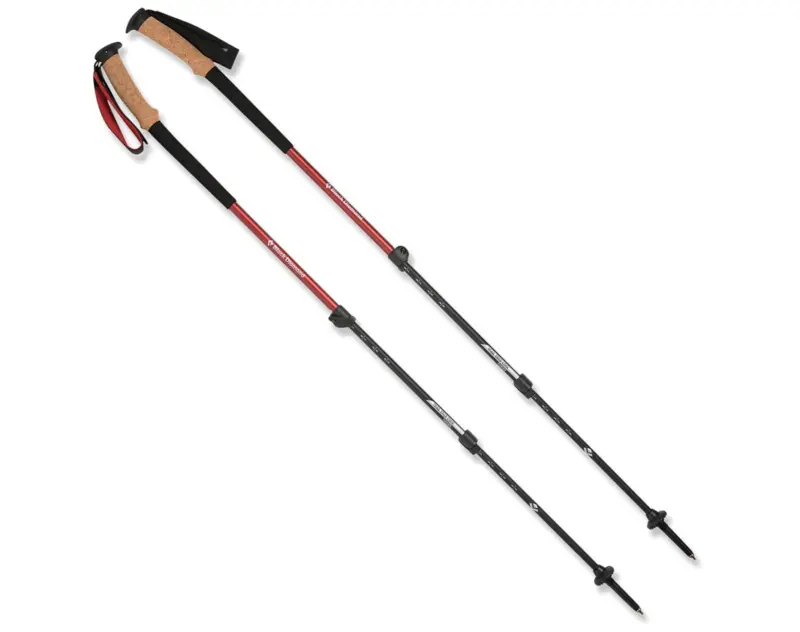
I’ve used the Black Diamond Trail Trekking Poles on everything from short hikes in Colorado to multiday treks in Morocco. What makes them beginner-friendly is their reliable adjustability range and durable aluminum build. They’re not flashy, but they’re consistent — which is exactly what you need when you’re still building confidence on trails.
- Best for: Day hikes and moderate mountain terrain
- Key Features: Comfortable foam grip, solid flip-locks, interchangeable tips
- Price Range: Mid-level, worth the investment for durability
- Personal Take: These were the poles I recommended to a group of first-time hikers in the Swiss Alps — and by the end of the trek, every single one said they wouldn’t hike without them again.
2. LEKI Legacy Lite Cor-Tec
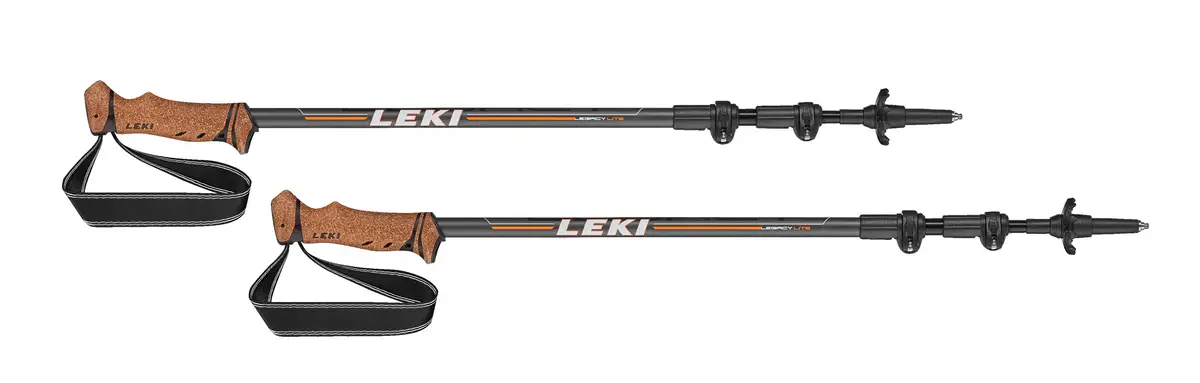
LEKI’s reputation in the hiking world is well-earned, and the Legacy Lite Cor-Tec proves it. Lightweight yet sturdy, these poles are designed with beginners in mind, especially those looking for something comfortable for longer trails.
- Best for: Beginners who want lightweight gear for multi-hour hikes
- Key Features: Classic cork grip, ergonomic design, aluminum shafts
- Price Range: Affordable compared to high-end poles but built to last
- Personal Take: On a humid summer hike in Slovenia, the cork handled the sweat effortlessly, saving me from blisters. Beginners will appreciate that detail more than they expect.
3. REI Co-op Traverse Trekking Poles
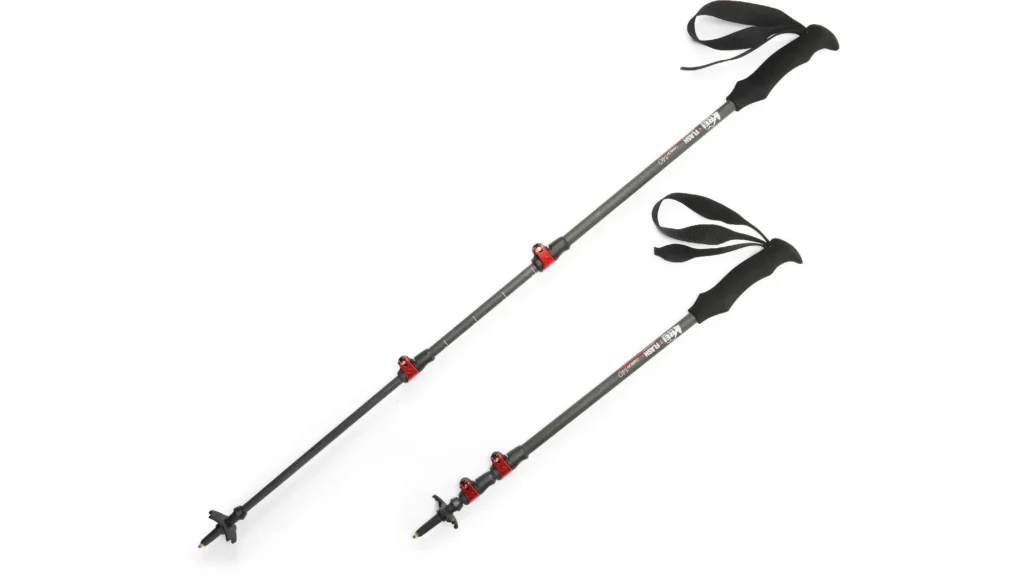
REI’s house-brand gear often surprises with its quality-to-price ratio, and the Traverse poles are no exception. They balance durability with weight, making them an accessible entry point for new hikers.
- Best for: Budget-conscious beginners who want quality without overpaying
- Key Features: Aluminum construction, extended foam grip, reliable locks
- Price Range: Lower than many competitors but with impressive performance
- Personal Take: I met a college group in Yosemite all using these poles — most of them on their first backpacking trip. The feedback was consistent: sturdy enough for rocky trails, simple to adjust, and forgiving for new users.
4. Cascade Mountain Tech Carbon Fiber Poles
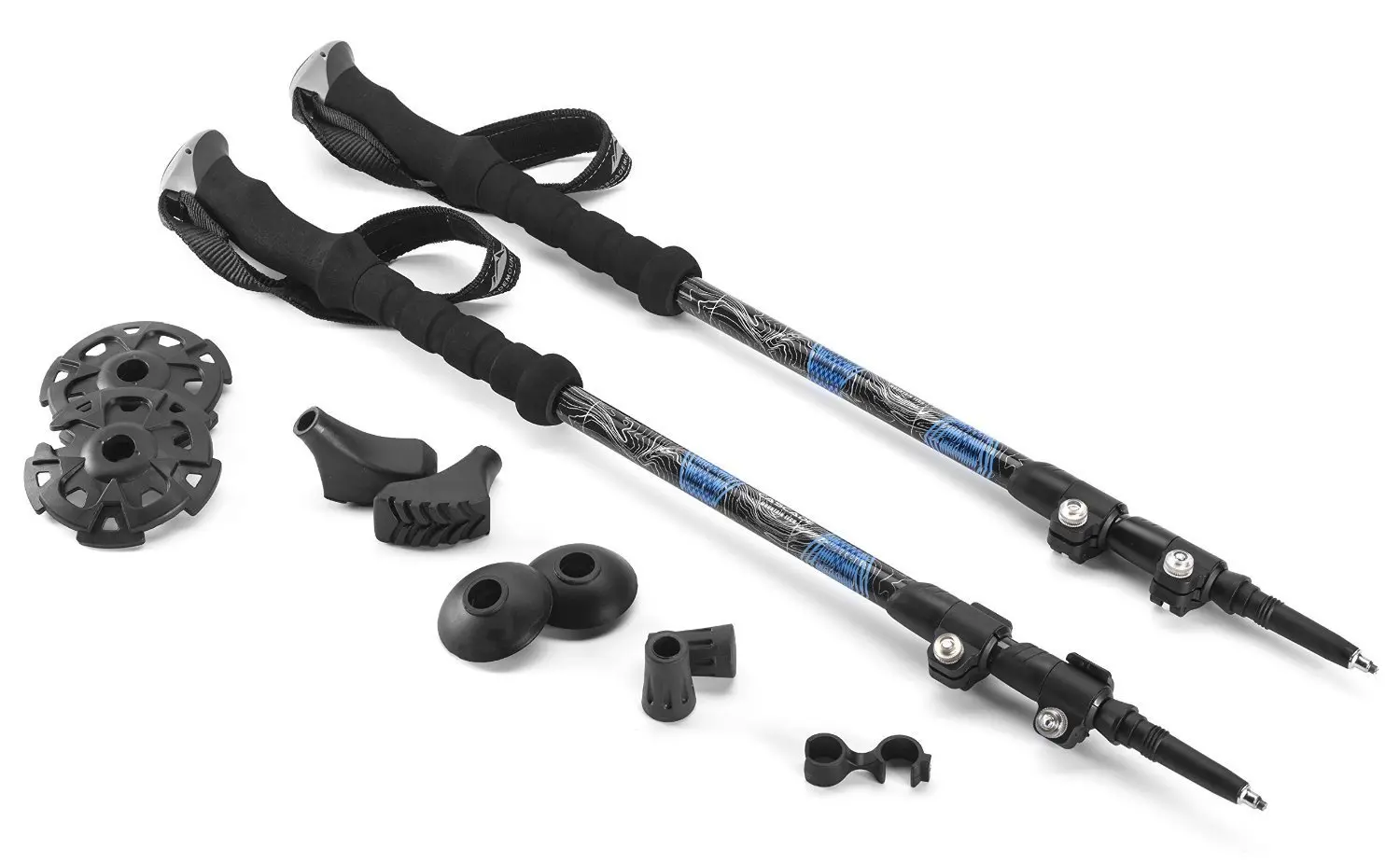
If you’re drawn to lighter gear, the Cascade Mountain Tech Carbon Fiber Poles deserve a spot on your list. They’re one of the most affordable carbon poles out there, yet they deliver surprisingly strong performance for their weight.
- Best for: Beginners curious about ultralight gear without overspending
- Key Features: Carbon shaft, quick-lock system, foam handles with optional wrist straps
- Price Range: Budget-friendly for carbon options
- Personal Take: On a ridge hike in Washington’s Olympic Mountains, I noticed how these poles kept my pace steady even when my pack felt heavier than planned. Beginners will love how the lighter swing weight reduces fatigue by the end of the day.
5. Komperdell Highlander Cork Trekking Poles
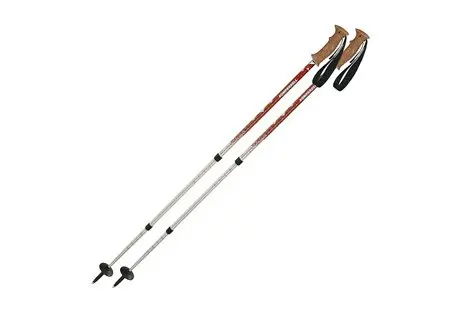
Komperdell, an Austrian brand, designs poles with alpine terrain in mind. The Highlander Cork model strikes a great balance for beginners — sturdy enough for rocky trails yet light enough for everyday hikes.
- Best for: Beginners who hike in mixed terrain (mud, rocks, snow)
- Key Features: Classic cork grip, aluminum build, excellent adjustability range
- Price Range: Mid-range, solid investment
- Personal Take: On a spring hike near Innsbruck, a local guide swore by Komperdell. After trying them, I understood why — the cork handles stayed comfortable despite changing temperatures, and the adjustability made quick transitions between climbs and descents easy.
6. Foxelli Carbon Fiber Trekking Poles
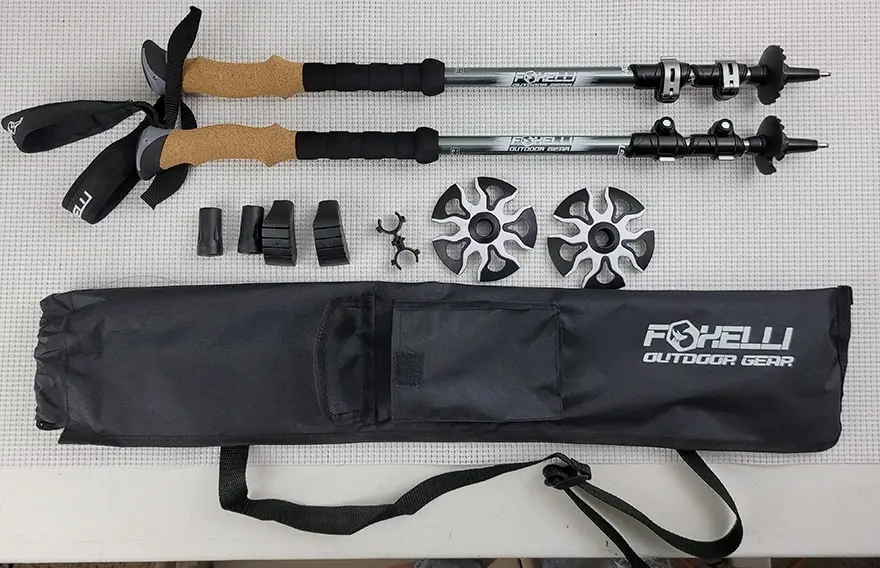
The Foxelli Carbon Fiber Trekking Poles are a hidden gem for new hikers. They’re lightweight, packable, and come with a variety of tip covers — making them versatile for both dirt trails and city sidewalks.
- Best for: Beginners who want travel-friendly, all-purpose poles
- Key Features: Carbon shaft, padded wrist straps, EVA foam grip
- Price Range: Affordable, especially for first-time buyers
- Personal Take: I carried these during a trip across Eastern Europe, where trails varied from cobblestones in Prague to muddy forest paths in Slovakia. The collapsible poles design meant I could stash them in my daypack without fuss — something beginners will appreciate when switching between city and trail.
7. Montem Ultra Strong Trekking Poles
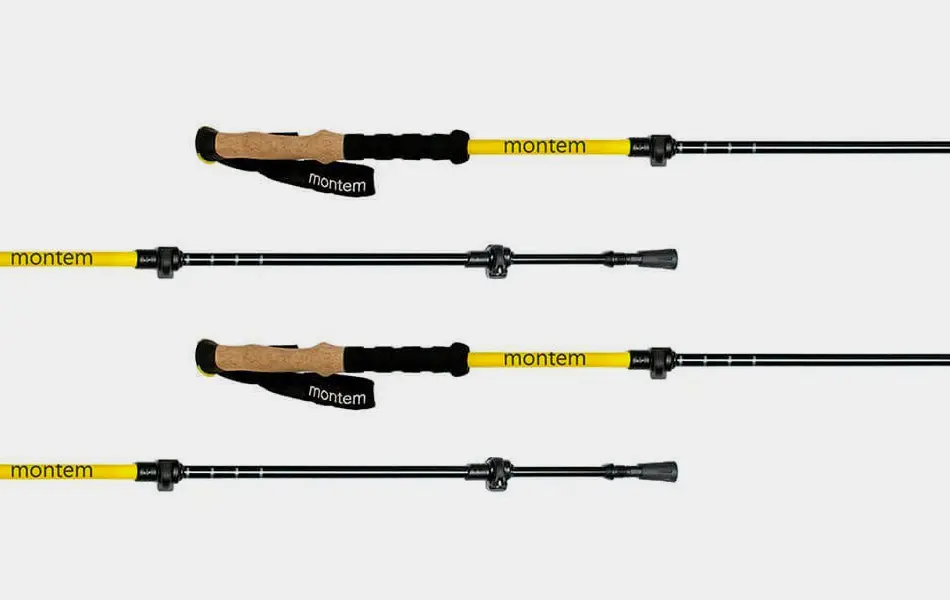
Montem may not be as old as some European brands, but their Ultra Strong Trekking Poles have quickly become a favorite among beginner hikers. These are built tough with aluminum, making them reliable for rocky trails where durability matters more than weight savings.
- Best for: New hikers who want a rugged, affordable pair
- Key Features: Foam grip with adjustable wrist straps, telescopic design, wide adjustability range
- Price Range: Budget-friendly, often under $75
- Personal Take: On a group hike in Shenandoah National Park, a beginner used these poles for the first time and commented that the stability they offered downhill made her feel twice as confident. That’s exactly what beginners need — gear that builds trust on the trail.
8. Hiker Hunger Aluminum Trekking Poles
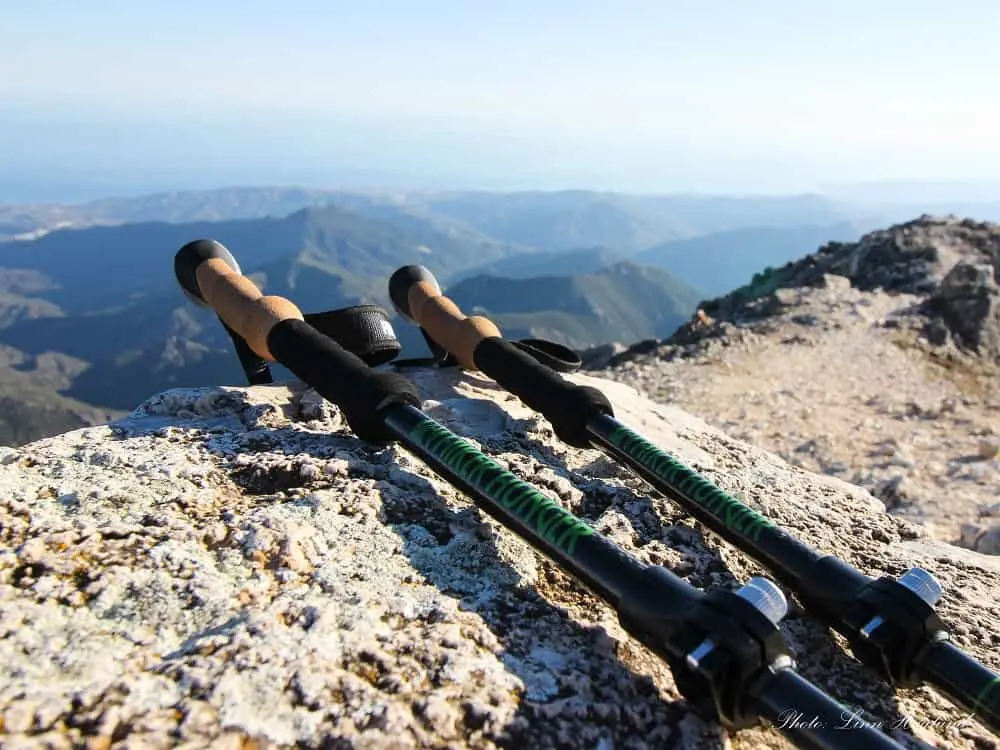
The Hiker Hunger Aluminum Trekking Poles are designed with community input, which is why they’re consistently rated as beginner-friendly. While the brand also makes carbon models, the aluminum version offers the best mix of price and durability for first-timers.
- Best for: Beginners looking for a balance of durability and comfort
- Key Features: Aluminum build, EVA foam handles, reliable locks, padded wrist straps
- Price Range: Affordable with lifetime warranty backing
- Personal Take: I met a long-distance hiker in the Rockies who swore by these as his “starter poles” — he appreciated that they held up over time but didn’t cost him a fortune to replace if he broke them learning the ropes.
9. Trekology Trek-Z Collapsible Poles
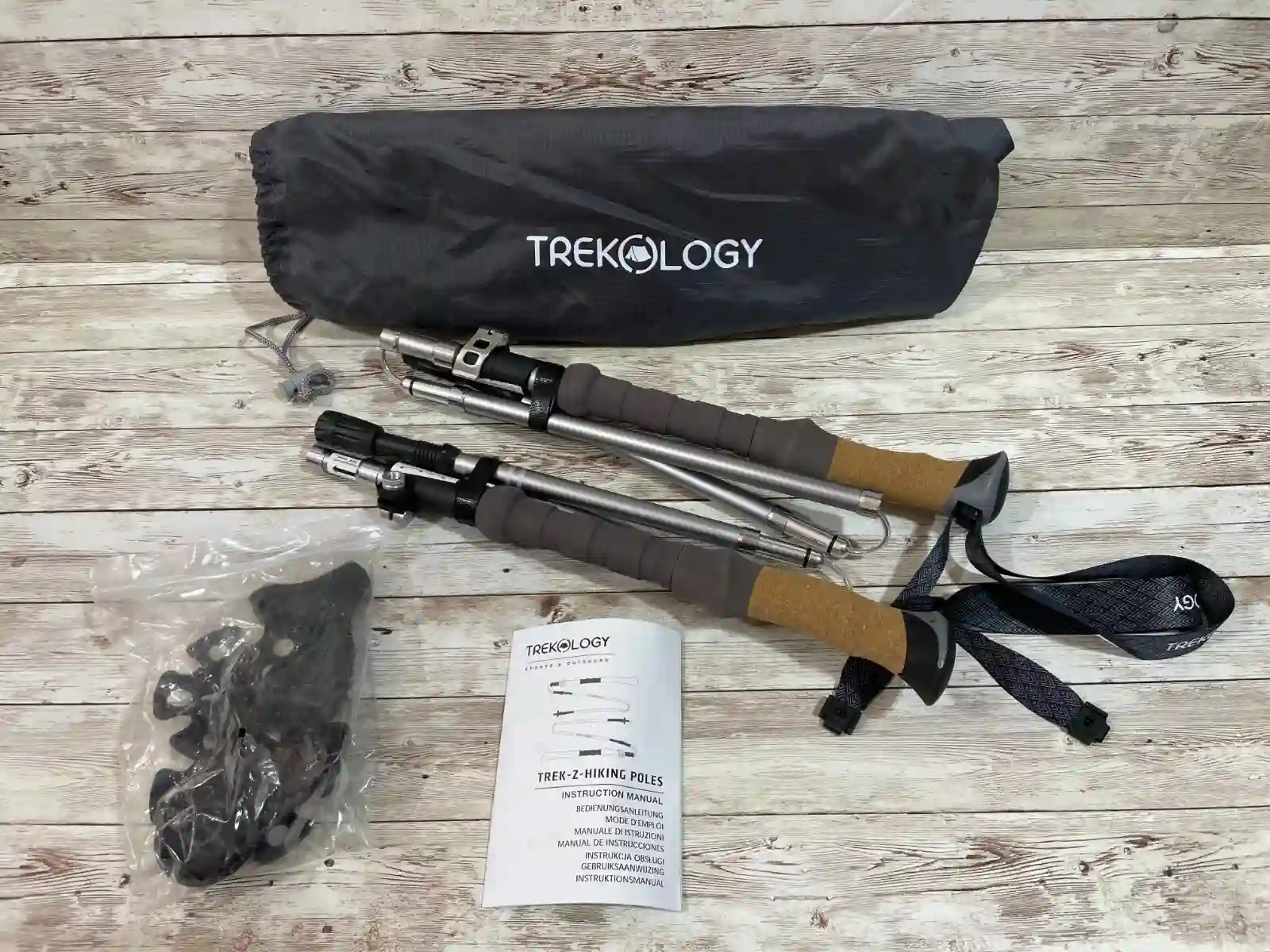
The Trekology Trek-Z is one of the most popular collapsible poles on the market, and for good reason. Beginners love how compact they are when folded — perfect for city-to-trail adventures or hikes where packing space is limited.
- Best for: Beginners who need compact, travel-ready poles
- Key Features: Aluminum shafts, ergonomic cork/foam combo grips, folding design
- Price Range: Mid-range, offering excellent value for foldable design
- Personal Take: I first spotted these in use during a hike in Chiang Mai, Thailand. A couple visiting from Germany carried them in their carry-on luggage, then quickly assembled them before heading into the jungle. For beginners, that versatility makes the Trek-Z an easy recommendation.
10. OutdoorMaster Trekking Poles
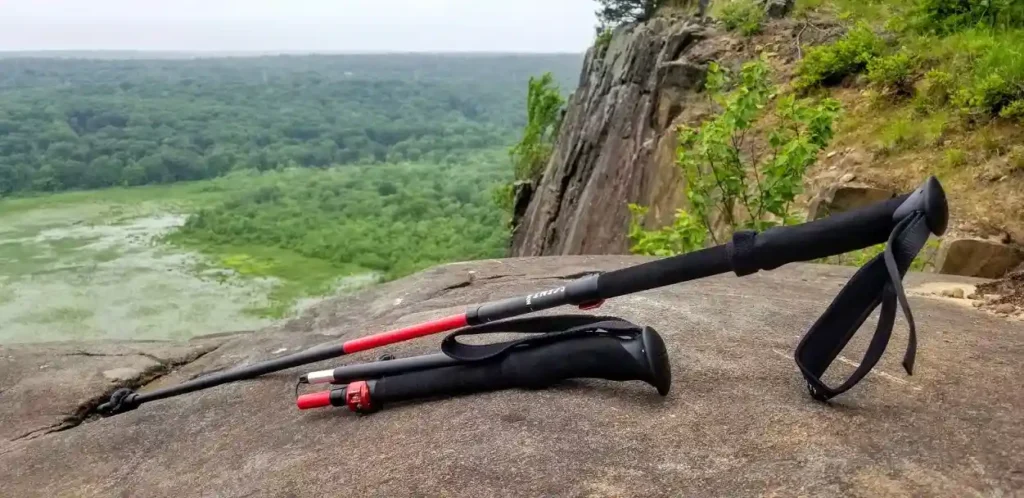
The OutdoorMaster Trekking Poles are one of the most versatile beginner options I’ve come across. They’re simple, reliable, and designed with features that help new hikers get comfortable without overcomplicating things.
- Best for: Beginners who want straightforward, dependable poles
- Key Features: Aluminum construction, ergonomic cork grip, padded straps, adjustable flip-locks
- Price Range: Budget-friendly, often available as a starter set with accessories
- Personal Take: During a group trek in Banff, I saw several first-time hikers using these poles. What stood out was their confidence — the easy adjustability and sturdy build gave them security on rocky descents. For anyone just starting out, these are an excellent first buy.
Read Also: 15 Best Digital Luggage Scales to Avoid Airport Surprises
Trekking Poles vs Hiking Without Poles: A Beginner’s Perspective
The first time I hiked without poles on a steep descent in Patagonia, my knees paid the price. Compare that to later treks where I carried hiking poles, and the difference was immediate — less strain, steadier balance, and a smoother rhythm with every step.
For beginners, the choice often comes down to this: do you want to conserve energy and reduce stress on your joints, or risk feeling unsteady on challenging terrain? Poles act like an extra set of limbs. They help with:
- Balance on tricky ground: From rocky switchbacks in Utah to slippery forest paths in Slovenia.
- Reduced knee and hip strain: Especially on long downhill stretches.
- Confidence boost: Many first-time hikers I’ve guided admitted poles gave them the mental reassurance they needed on exposed trails.
I once met a group of students on a day hike in Yosemite. Half had poles, half didn’t. By the end, those without poles were sore and limping slightly, while the others still had energy for the last viewpoint. That’s the beginner’s perspective in a nutshell — poles don’t just help you hike farther, they make the experience more enjoyable from the start.
How to Use Trekking Poles Correctly (Beginner Tips)
Owning good poles is one thing… but knowing how to use them is what makes the real difference. I’ve met plenty of hikers carrying the best trekking poles for beginners but struggling because they hadn’t adjusted them properly. Here are some tips to get you started:
- Adjust Pole Height Correctly
Your elbows should form about a 90-degree angle on flat ground. Too long, and you’ll feel strain in your shoulders. Too short, and you’ll hunch forward. Models like the Black Diamond Pursuit have an excellent adjustability range that makes dialing in the right fit easy. - Learn Proper Walking Technique
Poles should alternate naturally with your steps — right foot, left pole, and vice versa. It feels odd at first, but soon it becomes a rhythm. On steeper climbs, shorten the poles slightly; on descents, lengthen them for added stability. - Use Wrist Straps the Right Way
Beginners often skip this, but straps aren’t just decoration. Slide your hands up through the straps from below, then grip. That way, the weight rests partly on your wrists, not just your hands. Long days with poles like the Leki Cressida FX Carbon really prove the value of this trick. - Adapt to the Terrain
On rocky trails, carbide tips provide bite. In snowy terrain, baskets prevent poles from sinking. Expert reviewers note that the lighter swing weight of the Distance Carbon Z poles helps you move faster uphill, but you need to plant them deliberately on descents.
⚠️ Beginner mistake to avoid: Don’t lean all your weight onto the poles. They’re designed to support balance, not replace good posture and footwork.
Care & Maintenance of Trekking Poles
Even the best trekking poles for beginners won’t last long if you neglect them. After muddy treks in Nepal and desert hikes in Jordan, I learned the hard way that maintenance makes a big difference.
- Clean After Each Hike: Rinse dirt and grit from the shafts and tips. This is especially important for carbon poles, since fine grit can scratch the carbon shaft and weaken them over time.
- Check Locks & Adjustments: Flip-locks and twist-locks loosen after repeated use. On a winter trip in the Rockies, one of my MSR DynaLock Ascent Carbon poles collapsed mid-descent because I hadn’t checked the lock tension — not fun on icy slopes.
- Store Properly: Keep poles collapsed when not in use. Avoid leaving them in a hot car, which can damage foam grips or weaken glue. For travel, collapsible designs like the Carbon FLZ Trekking Poles are easy to stash in checked luggage or a backpack.
- Inspect Wrist Straps & Grips: Over time, sweat and friction wear them out. A guide in Peru once told me he replaces straps yearly because “they carry more weight than you think.”
Small habits like these extend your poles’ life and ensure they’re always ready for the next trail.
Conclusion: Start Hiking Smarter, Not Harder
Looking back at my early hikes, I can’t help but laugh at how stubborn I was — hauling myself up steep trails with no poles, thinking I was “keeping it natural.” The truth is, the best trekking poles for beginners aren’t just gear, they’re confidence builders. They keep you steady on uneven paths, protect your joints on long descents, and give you rhythm when fatigue sets in.
Whether you pick a lightweight set like the Distance Carbon Z, a versatile mid-range pair like the Black Diamond Pursuit, or budget-friendly aluminum models, what matters is that you start with poles that fit your style and comfort. Over time, you’ll find what works best for your hands, your stride, and your goals.
If you’re new to hiking, don’t overthink it. Choose a pair with a good adjustability range, comfortable grips — cork if you can — and sturdy locks. Then get outside and let the trails teach you the rest.
Because hiking isn’t about proving toughness. It’s about making the journey sustainable, enjoyable, and memorable. With the right poles, every step feels just a little lighter, and every climb a bit more possible. Start hiking smarter, not harder — your knees (and future self) will thank you.
Frequently Asked Questions
1. Are trekking poles worth it for beginners?
Yes — I’ve seen countless first-timers hike farther and recover faster with poles. They ease pressure on knees and give you balance when you’re still building trail confidence.
2. Should I buy carbon or aluminum poles first?
If you’re budget-conscious, aluminum is reliable and forgiving. If weight matters more, carbon fiber is excellent — just know they’re pricier. My Durston Iceline poles are carbon, and while ultralight, I’m careful with them on rocky terrain.
3. Can trekking poles go in carry-on luggage?
Most airlines don’t allow poles in carry-on because of the sharp tips. Collapsible designs like the Distance Carbon Z or Carbon FLZ Trekking Poles pack small and fit easily in checked bags.
4. Do I need shock-absorbing poles?
Not really. They can be helpful on long descents, but most beginners benefit more from correct technique and well-adjusted length than spring mechanisms.
5. How much should I spend as a beginner?
Expect to pay $60–120 for quality poles. Cheaper models may break or feel uncomfortable. Beginners I’ve guided often start with mid-range poles, then upgrade later once they know their hiking style.
6. Are cork grips better than foam?
For longer hikes, yes. Cork grip handles mold to your hand and handle sweat better. Foam is fine for shorter outings or humid conditions.
7. Can I use one hiking staff instead of two poles?
Yes, a single hiking staff can help with light walks or city trails, but for mountain terrain and balance, two poles are always better.
8. How do I choose poles if I’m tall or short?
Look for a wide adjustability range. Brands like Black Diamond and Leki make poles that suit both petite and tall hikers.
9. Are collapsible poles durable enough?
Yes, today’s folding poles like the Black Diamond Distance Z are surprisingly strong. I’ve used them on alpine trails without issue. Beginners should just double-check all joints before steep hikes.
10. What makes poles marketed as heavy duty carbon poles different?
They’re reinforced versions of standard carbon poles, designed for heavy use or rougher terrain. They usually weigh a bit more but handle stress better. For beginners, they’re overkill unless you’re planning demanding treks right away.
Newsletter
Get new travel gear guides by email
New buying guides and packing tips when we publish them. No spam, and you can unsubscribe at any time.